Tabbouleh
Bright, herb-packed Mediterranean salad of finely chopped parsley, mint, fine bulgur, tomatoes, lemon and olive oil.
Tabbouleh is a cheeky little herb salad that masquerades as a grain salad. It’s gloriously bright, herb-forward and all about technique: the finer you chop, the better the texture.
Make it when you want something fresh and zingy next to grilled meat, falafels or simply spooned over crisp lettuce. It’s quick, forgiving and properly crownd-pleasing at a summer spread.
Ingredients
- 100 g bulgur wheat — fine or very-fine cracked bulgur
- 200 ml water — hot — bring to the boil before adding to bulgur
- 220 g flat-leaf parsley — stalks and leaves counted; very tightly packed
- 20 g fresh mint
- 3 ripe tomatoes — medium, core removed and very finely diced
- 4 spring onions — use both white and green parts, finely sliced
- 2 lemons — for about 60 ml juice
- 60 ml extra virgin olive oil
- 5 ml sea salt — adjust to taste
- 5 ml ground black pepper
- 5 ml sumac — optional, for a lemony tang
Equipment
- kettle or saucepan to boil water
- fine sieve or cheesecloth (for draining bulgur if needed)
- citrus juicer (optional)
Instructions
Put the bulgur wheat into a heatproof bowl. Pour over the boiling water, stir once, cover and leave to soak for 30 minutes until tender and the water is absorbed.
While the bulgur soaks, strip the parsley leaves from the thicker stems and discard the largest woody bits. Wash and dry the parsley and mint thoroughly – excess water dilutes flavour.
Finely chop the parsley and mint: patience here makes the salad. Aim for very small, even pieces (2–4 mm). Put the chopped herbs into a large mixing bowl.
Core and very finely dice the ripe tomatoes, keeping the pieces small so they marry with the herbs rather than overpower them. Add to the bowl.
Slice the spring onions thinly (including the green tops) and add to the bowl with the herbs and tomatoes.
Check the soaked bulgur. If there is still excess water, drain in a fine sieve and press gently with kitchen paper, or spread on a baking tray to cool and dry for 1–2 minutes. Fluff with a fork and add to the herb mixture.
Juice the lemons, pour over the salad with the extra virgin olive oil, sea salt, ground black pepper and sumac (if using). Toss thoroughly to combine, then leave to rest for 10 minutes to let the flavours meld.
Give the salad a final toss, transfer to a serving bowl and serve at room temperature or chilled. Store leftovers in an airtight container in the fridge for up to 2 days.
Tips
- Chop parsley very finely — big ragged leaves ruin the texture and make the bulgur look sparse.
- Dry herbs completely after washing; a salad spinner saves time and prevents dilution of flavours.
- If your bulgur seems too wet after soaking, spread it on a tray to cool and dry for a few minutes rather than adding more herbs.
- Make ahead by up to 24 hours: keep covered in the fridge and bring to room temperature before serving for the freshest flavour.
- Adjust lemon and olive oil to taste — authentic tabbouleh is bright and lemony rather than oily.
Substitutions
bulgur wheat → fine couscous, 100 g — soak briefly in 150 ml boiling water until tender
Stays closebulgur wheat → quinoa, 100 g (rinse, then cook in 200 ml water for 12 minutes) — gluten-free swap with nuttier texture
Noticeably differentflat-leaf parsley → a mix of parsley and extra mint (use total 220 g with mint up to 60 g) — brighter, more minty finish
Noticeably different
Nutrition
Per serving · estimated
- 278
- Calories
- 6 g
- Protein
- 29 g
- Carbs
- 15 g
- Fat
- 7 g
- Fibre
- 3 g
- Sugar
- 600 mg
- Sodium
FAQ
Can I make tabbouleh gluten-free?
Yes — replace the bulgur with cooked quinoa (rinse first) for a gluten-free version. Texture and taste will be noticeably different.
How far ahead can I make it?
Make up to 24–48 hours ahead. Keep chilled in an airtight container; bring to room temperature and refresh with lemon or oil before serving.
Why is my tabbouleh soggy?
Most likely excess water from washed herbs, very juicy tomatoes or over-soaked bulgur. Dry herbs well, remove tomato seeds/pulp and drain the bulgur thoroughly.
Can I use curly parsley?
You can, but flat-leaf parsley has a brighter flavour and chops more cleanly — curly tends to be tougher and can look clumpy.
Community Photos
No photos yet
Be the first to share your creation!
Rate this recipe
More like this
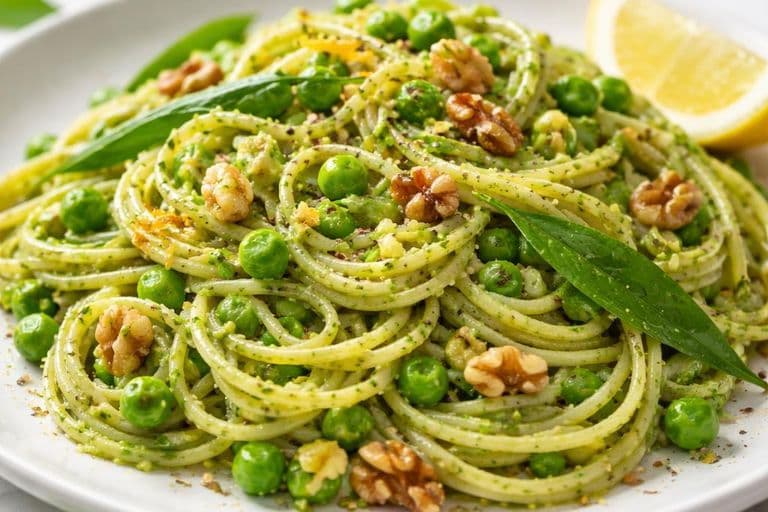
Wild garlic pesto pasta with peas, lemon and toasted walnuts
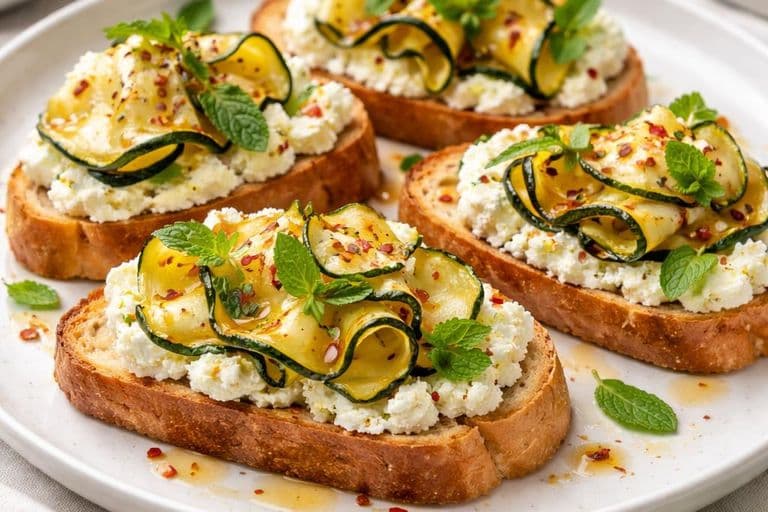
Courgette, lemon ricotta and chilli-honey crostini
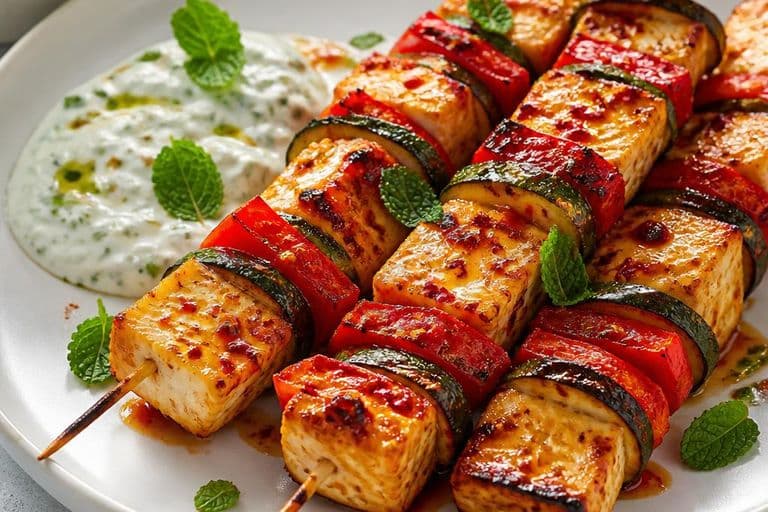
Halloumi, courgette and red pepper skewers with chilli‑honey glaze