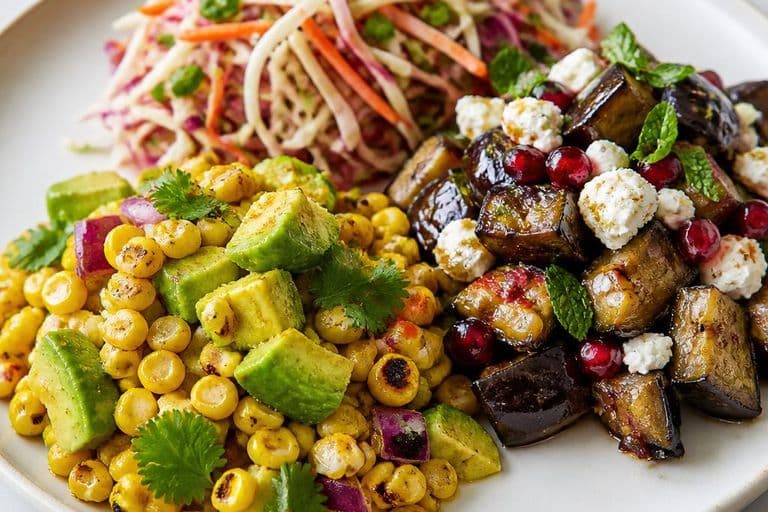
Spring pea, asparagus and feta frittata
Light, green and unfussy — a quick frittata with asparagus, sweet peas and salty feta, perfect for brunch or a simple supper.
This is the sort of frittata that turns leftovers into something smugly impressive. Bright peas and snappy asparagus make it feel spring-fresh; salty feta adds the savoury lift.
Ready in under an hour and forgiving to boot, it’s brilliant for brunch, a light supper or packed cold for lunch the next day.
Ingredients
- 6 eggs
- 50 ml whole milk
- 30 ml olive oil
- 20 g unsalted butter
- 1 brown onion — finely sliced
- 2 garlic cloves — crushed
- 200 g asparagus — trimmed and cut into 3cm pieces
- 150 g frozen peas
- 120 g feta — crumbled
- 15 g fresh mint — leaves roughly chopped
- sea salt — to taste
- black pepper — freshly ground, to taste
Instructions
Preheat the oven to 180°C fan/200°C conventional.
In a large bowl, beat the eggs with the whole milk until combined. Stir in the chopped fresh mint and season with sea salt and black pepper.
Heat the olive oil and unsalted butter in an ovenproof frying pan over a medium hob until the butter has melted and is foaming, about 2 minutes.
Add the finely sliced brown onion and sweat gently until soft and translucent, 6–8 minutes. Do not let it caramelise.
Stir in the crushed garlic cloves and asparagus pieces and cook for 3–4 minutes until the asparagus is just tender.
Scatter the frozen peas into the pan and cook for 1–2 minutes until warmed through.
Pour the egg and milk mixture evenly over the vegetables in the pan. Scatter the crumbled feta over the top and gently shake the pan so the eggs settle. Cook on the hob for 4–5 minutes until the edges are set but the centre still slightly wobbly.
Transfer the pan to the preheated oven and bake for 8 minutes, until the frittata is puffed and the centre is set (no runny egg).
Remove the frittata from the oven and leave to rest for 10 minutes before slicing. Scatter extra mint and season with a little more black pepper to finish.
Tips
- Use an ovenproof frying pan (about 22–26cm) so you can move straight from hob to oven without transferring — less washing up and a better set.
- If your asparagus stalks are thick, peel their bases or cut the thicker ends away so everything cooks evenly.
- Don’t overbeat the eggs — you want air, but not froth; too much whisking makes the frittata rubbery.
- Make ahead: cook through to step 8, cool completely, then refrigerate. Gently reheat in a low oven (160°C fan/180°C conventional) for 10–12 minutes.
- Leftovers keep in the fridge for 2–3 days. Slice and serve cold or at room temperature for picnic-friendly eating.
Substitutions
feta → goat's cheese, same quantity
Stays closefrozen peas → fresh peas (shelled), 150 g
Stays closeasparagus → courgette, sliced into half-moons, 200 g
Noticeably differentwhole milk → double cream, 40 ml
Noticeably different
Nutrition
Per serving · estimated
- 340
- Calories
- 16 g
- Protein
- 9 g
- Carbs
- 24 g
- Fat
- 4 g
- Fibre
- 5 g
- Sugar
- 500 mg
- Sodium
FAQ
Can I make the frittata entirely on the hob without using the oven?
Yes — cook on the hob over a low heat with a lid for 12–15 minutes until the centre is set. Turn the heat very low to avoid burning the base.
How can I tell when the frittata is cooked?
The edges should be set and slightly puffed; the centre should wobble a little but not be liquid. After resting it will firm up fully.
Can I add other fillings?
Absolutely. Roast peppers, spinach or cooked potato all work. Reduce watery veg or cook them first so the frittata doesn't become soggy.
Is it OK to use pre-crumbled or reduced-fat feta?
Yes — flavour and texture will vary a little. Reduced-fat feta gives a milder, less creamy result but still works.
Community Photos
No photos yet
Be the first to share your creation!
Rate this recipe
More like this
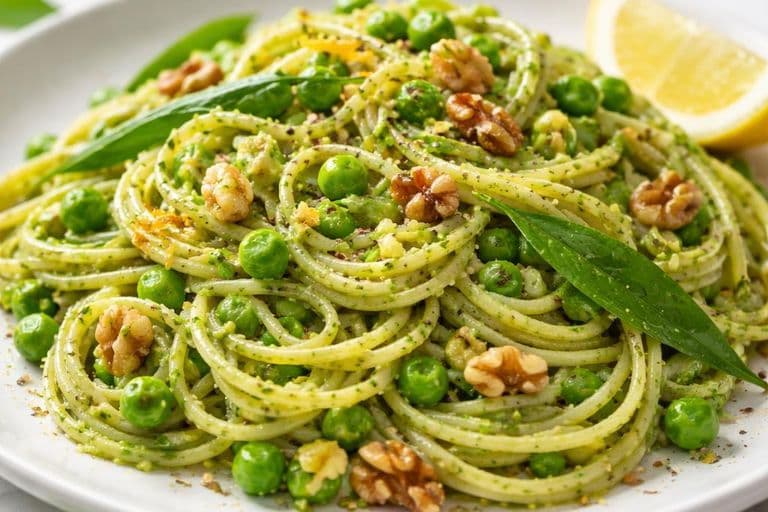
Wild garlic pesto pasta with peas, lemon and toasted walnuts
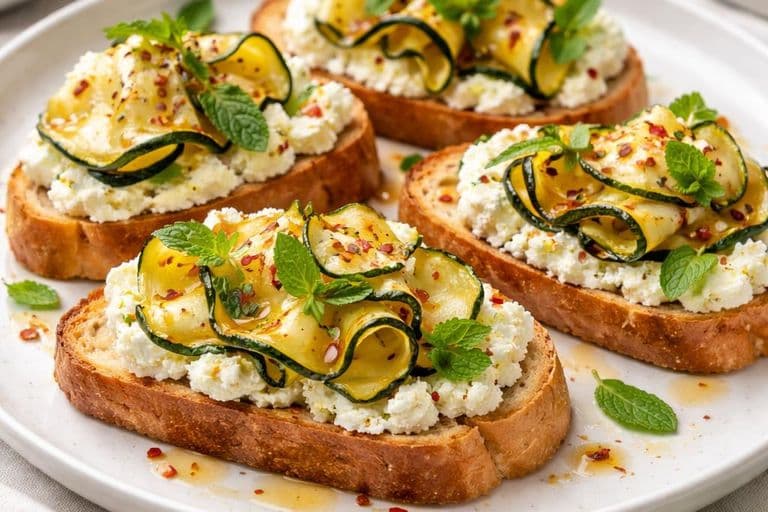
Courgette, lemon ricotta and chilli-honey crostini
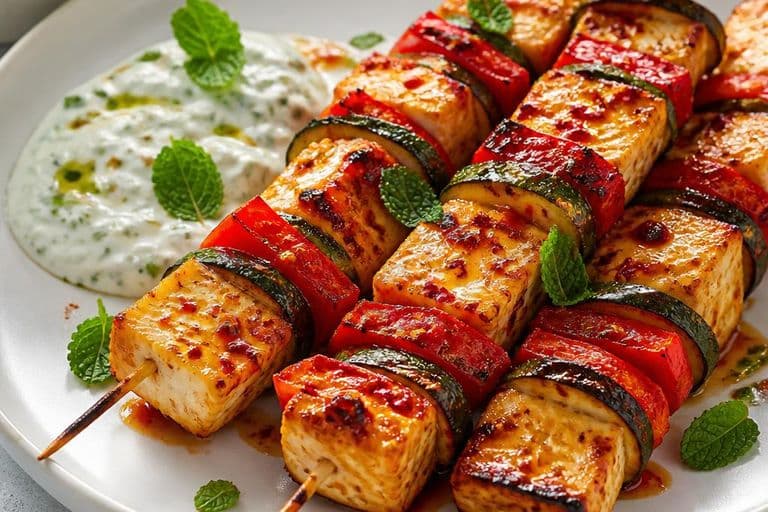
Halloumi, courgette and red pepper skewers with chilli‑honey glaze