Pan‑roasted salmon with courgette, cherry tomatoes and herby yoghurt
A 20‑minute, low‑effort one‑pan dinner: crisp salmon, blistered tomatoes and a zesty yoghurt sauce.
This is the kind of dinner that looks like you spent ages but actually takes 20 minutes and minimal washing up. Crisp skin, juicy salmon and sweet cherry tomatoes — all from one frying pan.
Perfect for a midweek lift or a fuss‑free weekend supper. The herby yoghurt brightens everything, and you’ll be surprised how fancy a squeeze of lemon makes it taste.
Ingredients
- 2 salmon fillets — about 150 g each, pin‑boned and skin on if possible
- 2 courgette — about 300 g total, sliced into 1 cm half‑moons
- 300 g cherry tomatoes — halved
- 15 ml olive oil
- 2 garlic cloves — crushed or finely sliced
- 120 g Greek-style yoghurt — for the herby sauce
- 1 lemon — zest and juice; you'll use about half the juice in the sauce and half to finish
- 5 ml dried oregano
- 0 ml chilli flakes — optional
- 10 g fresh basil — roughly torn for scattering
- sea salt — to taste
- black pepper — freshly ground, to taste
Instructions
Make the herby yoghurt: in a small bowl mix the Greek‑style yoghurt with the zest of half the lemon, the juice of half the lemon, dried oregano and chilli flakes. Season lightly with sea salt and black pepper, then taste and adjust. Set aside in the fridge while you cook.
Prepare the veg and garlic: slice the courgette into 1 cm half‑moons, halve the cherry tomatoes and crush or finely slice the garlic cloves. Pat the salmon fillets dry with kitchen paper and season both sides with sea salt and black pepper.
Heat a large frying pan over a medium‑high hob. Add the olive oil, then the garlic, courgette and cherry tomatoes. Cook, stirring occasionally, until the courgette is just tender and the tomatoes are blistered and starting to collapse.
Push the veg to the sides of the pan to make room in the centre. Add the salmon fillets skin‑side down and press gently so the skin makes contact with the pan. Cook without moving until the skin is crisp and the flesh at the edges looks opaque.
Flip the fillets and cook the other side for 2 minutes for medium (cook 3–4 minutes for well done). Spoon some of the pan juices and tomatoes over the fish as it finishes.
Remove the pan from the heat and leave the salmon to rest in the pan for 2 minutes to finish cooking gently.
To serve, divide the blistered veg between two plates, place a salmon fillet on top, spoon a generous dollop of the herby yoghurt alongside and scatter the torn fresh basil. Finish with a squeeze of the remaining lemon and a crack of black pepper.
Tips
- If your fillets are uneven thickness, fold the thin end under or cook that side against the cooler edge of the pan so both parts finish together.
- Pat fish dry and use a hot pan for best skin crispiness; if the skin sticks, it usually releases naturally when it’s properly sealed.
- Make the yoghurt sauce up to a day ahead — it keeps in the fridge for 24 hours and makes this even quicker on the night.
- Leftovers store in the fridge for up to 48 hours. Reheat gently in a low oven (150°C fan/170°C conventional) to avoid drying the salmon.
- If you want a gluten‑free meal, this recipe is naturally gluten free as written.
Substitutions
salmon fillets → skin‑on cod or pollock fillets, cook for a little longer and check flake; or use 2 halloumi steaks for a vegetarian swap
Noticeably differentGreek-style yoghurt → natural yoghurt or soured cream in the same quantity
Stays closecourgette → thin asparagus spears or sliced peppers, same prep and cook time
Stays closechilli flakes → a pinch of smoked paprika for warmth without heat
Stays close
Nutrition
Per serving · estimated
- 460
- Calories
- 35 g
- Protein
- 12 g
- Carbs
- 30 g
- Fat
- 4 g
- Fibre
- 6 g
- Sugar
- 400 mg
- Sodium
FAQ
Can I cook the salmon from frozen?
Not recommended for this quick recipe. Thaw fully in the fridge overnight for even cooking; frozen fish will steam on the surface and won't crisp.
How do I know when the salmon is cooked?
The flesh should be opaque and flake easily at the thickest part. For a slightly pink centre aim for 50–52°C with a probe. Overcooking quickly dries it out.
Can I make this dairy‑free?
Yes — swap the Greek‑style yoghurt for a dairy‑free yoghurt alternative; the flavour will be similar though slightly less creamy.
Is it OK to remove the skin?
You can remove the skin before cooking, but you’ll miss the crisp texture and extra flavour. If you prefer skinless, reduce initial cooking time slightly to avoid overcooking.
Community Photos
No photos yet
Be the first to share your creation!
Rate this recipe
More like this
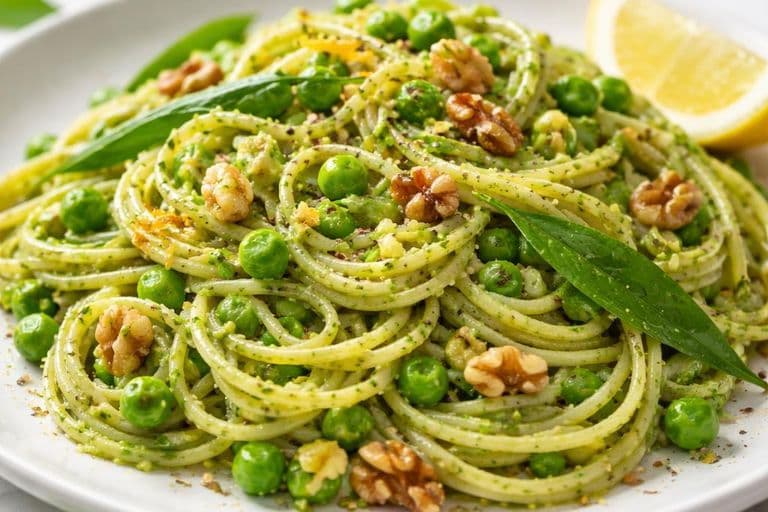
Wild garlic pesto pasta with peas, lemon and toasted walnuts

Courgette, lemon ricotta and chilli-honey crostini
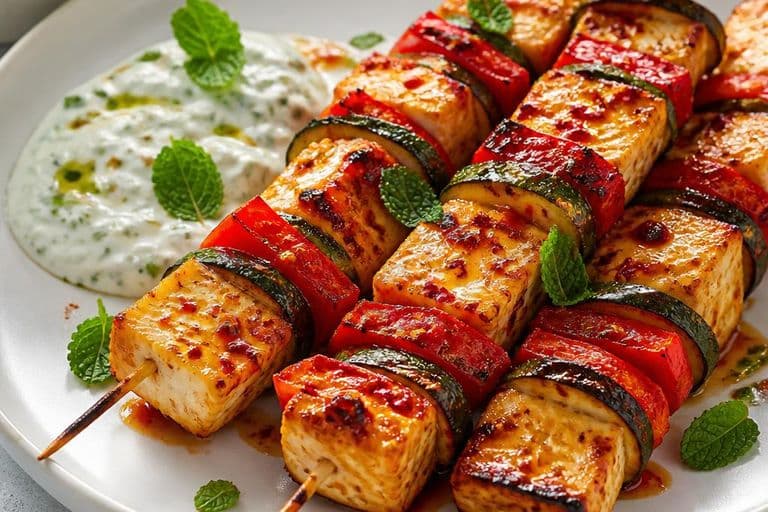
Halloumi, courgette and red pepper skewers with chilli‑honey glaze