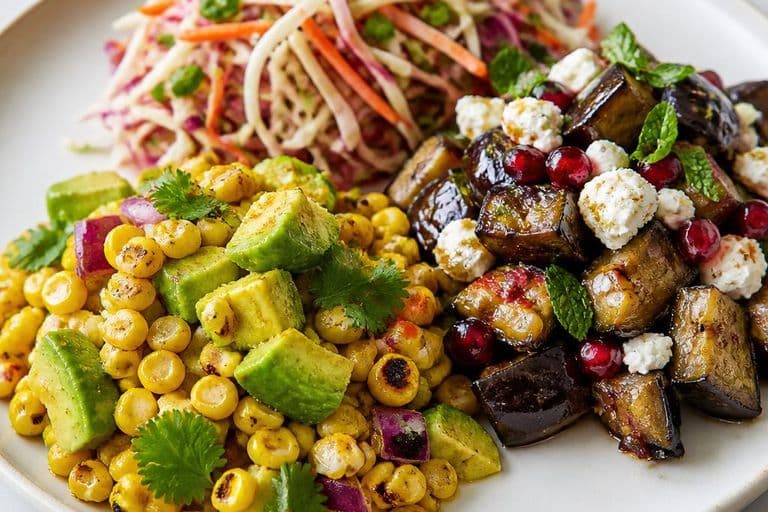
Olive tapenade
A glossy, punchy Mediterranean olive paste with anchovies, capers and lemon — brilliant on toast, baked fish or as a dip.
This olive tapenade is the sort of thing you should always have at the back of the fridge — quick to make, dangerously moreish and endlessly useful. It’s briny, lemony and anchored by salty anchovies for depth. Make it for pre-dinner grazing, a simple supper with toasted sourdough or spooned over fish. The texture should be chunky, not slick — you can smooth it if you prefer, but the rough bits are where the charm is.
Ingredients
- 250 g pitted black olives — preferably kalamata or similar
- 8 anchovy fillets in oil — drained and roughly chopped
- 30 g capers — drained weight
- 2 garlic cloves — crushed
- 15 g fresh parsley — stalks removed
- 1 lemon — zest and 15 ml juice
- 80 ml extra virgin olive oil — add more if you prefer looser texture
- freshly ground black pepper — to taste
Equipment
- food processor
- pestle and mortar
Instructions
Drain the pitted black olives and capers in a sieve for 1–2 minutes; if olives are very oily or wet, pat dry with kitchen paper. Roughly chop the anchovy fillets and crush the garlic cloves.
Put the olives, anchovies, capers, garlic, fresh parsley and the lemon zest into a small food processor. Pulse in short bursts (3–5 pulses), scrape down the bowl, then pulse again in 10–15 second bursts until a coarse paste remains. Do not blitz to a smooth purée unless you want a very runny spread.
With the motor running on low, drizzle in the extra virgin olive oil until the mixture holds together but still has texture. Taste and add the lemon juice from the lemon and freshly ground black pepper to balance saltiness.
If you don't have a food processor: finely chop all ingredients by hand or pound in a pestle and mortar, then fold in the oil. Transfer the tapenade to a small bowl, cover and chill for 30 minutes to allow the flavours to meld.
Serve at room temperature with a final drizzle of extra virgin olive oil and a few parsley leaves. Spoon onto toasted rustic bread, smear onto grilled fish, or use as a punchy sandwich spread.
Tips
- Drain olives and capers thoroughly and pat with kitchen paper — too much liquid will make the tapenade runny.
- Pulse in the food processor rather than blending continuously to keep some texture; aim for a coarse paste.
- Make up to 48 hours ahead: keep covered in the fridge with a thin film of oil on top to prevent discolouration.
- If it tastes too salty, add a squeeze more lemon juice or a small knob of unsalted butter when serving (but note this changes the dairy status).
- Bring to room temperature for 20 minutes before serving so the oil softens and the aroma blooms.
Substitutions
anchovy fillets in oil → 1 tsp anchovy paste
Stays closeanchovy fillets in oil → for a vegetarian version: replace anchovies with 1 tbsp extra caper brine plus 15 g finely chopped sun-dried tomatoes
Noticeably differentextra virgin olive oil → mild olive oil or light flavoured olive oil, same quantity
Stays close
Nutrition
Per serving · estimated
- 194
- Calories
- 2 g
- Protein
- 2 g
- Carbs
- 20 g
- Fat
- 1 g
- Fibre
- 1 g
- Sugar
- 650 mg
- Sodium
FAQ
How long will tapenade keep in the fridge?
Stored in an airtight container with a thin layer of oil on top, it will keep for 5–7 days in the fridge.
Can I use green olives instead of black?
Yes — green olives give a brighter, firmer bite and a different colour. Expect a noticeably different flavour but it works well.
Do I have to use anchovies?
No — anchovies add savoury depth. Omit for a vegetarian version and increase capers or add sun-dried tomatoes to compensate.
Can I freeze tapenade?
You can freeze it for up to 3 months, but the texture softens; thaw overnight in the fridge and bring to room temperature before serving.
Community Photos
No photos yet
Be the first to share your creation!
Rate this recipe
More like this
Wild garlic pesto pasta with peas, lemon and toasted walnuts

Courgette, lemon ricotta and chilli-honey crostini

Halloumi, courgette and red pepper skewers with chilli‑honey glaze