High-protein pancakes
Fluffy, high-protein pancakes made with oats, cottage cheese and protein powder — fast, filling breakfast for active mornings.
These high-protein pancakes keep breakfast interesting without sacrificing speed. They use blitzed oats, cottage cheese and protein powder for a filling stack that stays light but packs in the grams.
Perfect for training weeks, busy weekends or whenever you want something both naughty and sensible — think pancake-shop feel with gym-friendly macros.
Ingredients
- 150 g porridge oats
- 50 g plain flour
- 10 ml baking powder
- 40 g vanilla protein powder — use whey or plant-based powder as preferred
- 2 large eggs
- 200 ml skimmed milk
- 200 g cottage cheese — full-fat or low-fat both work; affects richness
- 15 ml sunflower oil — for frying
- 0 ml sea salt
- 60 ml maple syrup — to serve, optional
- 200 g fresh mixed berries — to serve, optional
Equipment
- blender or food processor
Instructions
Put the porridge oats into a blender or food processor and blitz to a fine flour (about 20–40 seconds). Stop and scrape down the sides once so it grinds evenly.
In a large bowl whisk together the oat flour you just made, plain flour, baking powder, vanilla protein powder and sea salt until evenly combined.
In the blender add the large eggs, skimmed milk and cottage cheese and blend until smooth (about 30–45 seconds). The cottage cheese will give a silky, high-protein batter.
Pour the wet mix into the dry ingredients and fold gently to combine. The batter should be thick but spoonable — if it seems too stiff add 1–2 tbsp (15–30 ml) skimmed milk; if too thin add a tablespoon of plain flour.
Leave the batter to rest for 10 minutes at room temperature to let the oats hydrate and the protein powder settle.
Heat a non-stick frying pan over medium heat. Add a little sunflower oil and swirl to coat. For each pancake spoon about 60 ml of batter into the pan. Cook for 2–3 minutes on the first side until bubbles appear and edges set, then flip and cook a further 1–2 minutes until golden and cooked through. Repeat, adding more oil if needed.
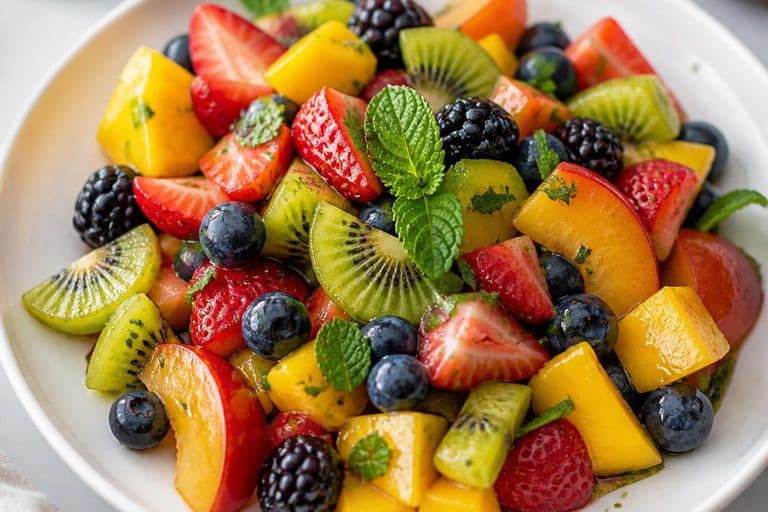
Serve the pancakes warm with maple syrup and fresh mixed berries. Stack and drizzle or serve single with berries on the side.
Tips
- Use a blender to get a really smooth batter — hand-mashing cottage cheese leaves lumps.
- If the first pancake sticks or browns too quickly, reduce the heat slightly and wipe the pan with kitchen paper between batches.
- Make ahead: keep batter refrigerated for up to 24 hours (give it a quick whisk before cooking).
- To freeze: cool cooked pancakes in a single layer, freeze on a tray, then transfer to a bag. Reheat in a toaster or low oven.
- For extra lift, separate the eggs and whisk the whites to soft peaks, then fold in for lighter pancakes (adds 2–3 minutes prep).
Substitutions
plain flour → gluten-free plain flour, same quantity (50 g)
Stays closeskimmed milk → unsweetened soya milk, same quantity (200 ml) — keeps protein higher than most plant milks
Stays closevanilla protein powder → unflavoured whey or pea protein, same quantity (40 g); expect subtle texture/flavour differences
Noticeably differentcottage cheese → Greek-style yoghurt, 200 g
Noticeably different
Nutrition
Per serving · estimated
- 406
- Calories
- 25 g
- Protein
- 55 g
- Carbs
- 10 g
- Fat
- 6 g
- Fibre
- 17 g
- Sugar
- 350 mg
- Sodium
FAQ
Can I make these vegan?
Not as written — the recipe relies on eggs and cottage cheese for structure and protein. To make a vegan version use pea protein, silken tofu instead of cottage cheese, a plant milk and an egg replacer, but texture and protein will change.
How do I prevent pancakes being raw in the middle?
Keep the pan at medium heat, cook until bubbles form and edges look set before flipping, and ensure batter isn’t too thick. If you see dark outside but raw centre, lower the heat and cook a little longer.
Can I double the recipe and freeze leftovers?
Yes — cook and cool the pancakes, freeze flat on a tray then bag. Reheat frozen pancakes in a toaster, under a low grill or in a low oven until heated through.
Is the protein content high enough after swapping ingredients?
Using protein powder plus cottage cheese and eggs gives roughly 24–26 g protein per serving. If you swap to lower-protein milks or yoghurts, expect a drop; choose high-protein plant milks (soya) or extra protein powder to compensate.
Community Photos
No photos yet
Be the first to share your creation!