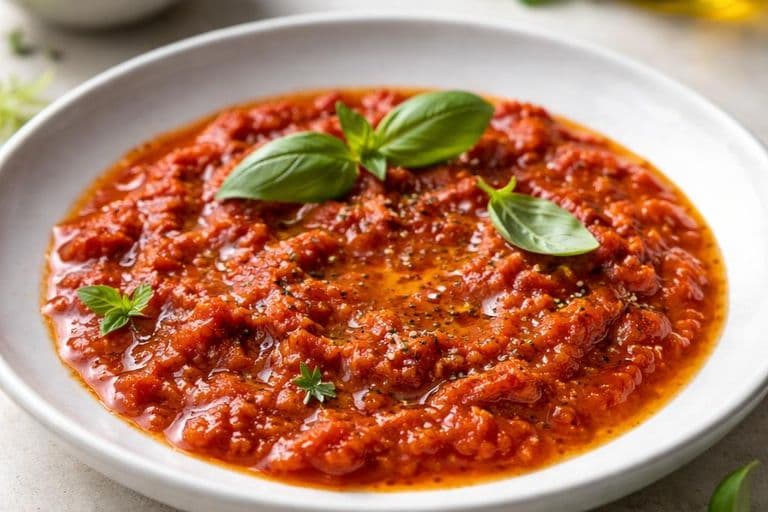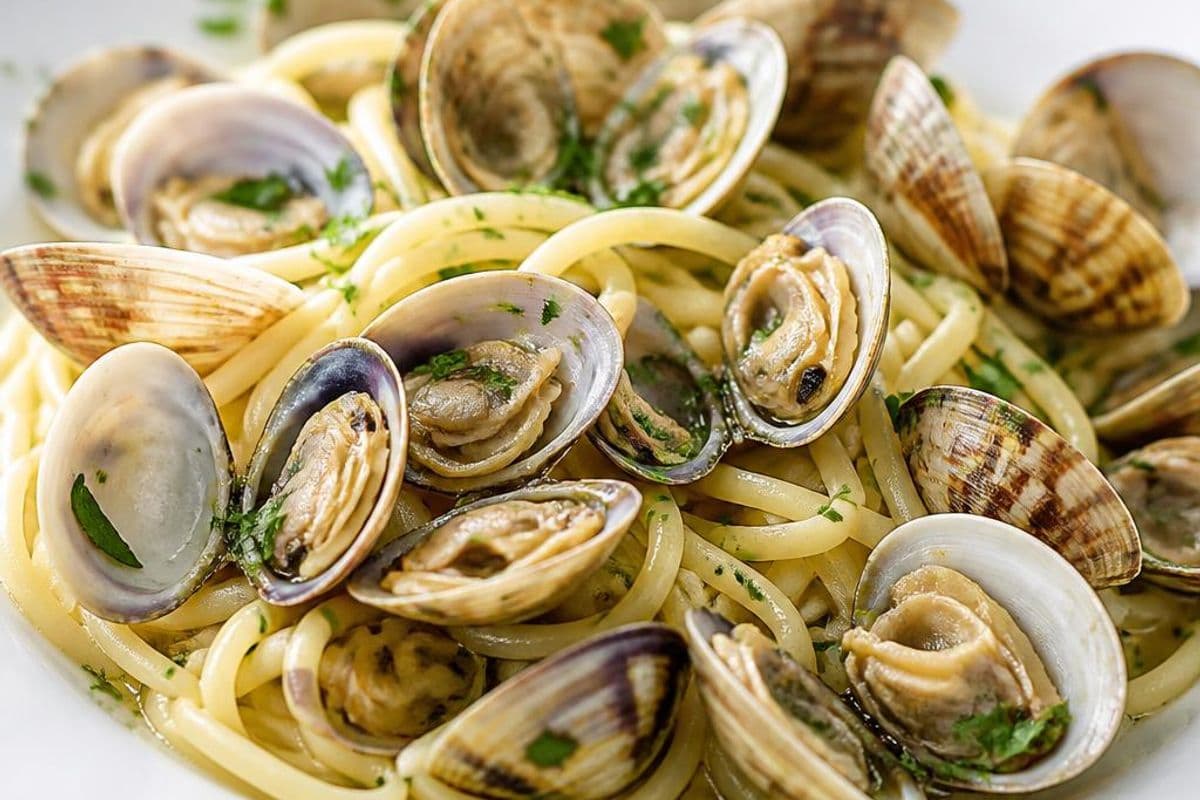
Spaghetti alle Vongole (Spaghetti with Clams)
A classic Neapolitan dish: al dente spaghetti tossed with fragrant garlic, white wine and sweet vongole, brightened with parsley and lemon. Light, fast and seaside-simple.
Spaghetti alle vongole is a love letter to the Italian coast — few ingredients, big flavour. The trick is technique: clean clams properly, reduce the wine, and finish the pasta in the clam liquor so every strand is glossy and briny.
Make this when you want something impressive that doesn’t feel like a faff: a midweek seafood dinner or a subtle show-off for guests. It sings because of texture and timing, not heavy sauce — light, fresh and utterly moreish.
Ingredients
- 400 g spaghetti (dry)
- 1.2 kg fresh clams (vongole or littlenecks, in shell) — about 2.6 lb; discard any broken shells
- 60 ml extra-virgin olive oil — divided (about 4 tbsp)
- 4 cloves garlic — thinly sliced
- 1 small shallot — minced (optional)
- 150 ml dry white wine
- 120 ml reserved/strained clam cooking liquor — strain through a fine sieve or cheesecloth to remove grit
- 15 g flat-leaf parsley — finely chopped (about 1/2 cup)
- 5 ml red pepper flakes — optional
- 1/2 item lemon — zest and juice
- 15 g unsalted butter — optional for a silkier finish
- sea salt — to taste; be sparing because clams are naturally salty
- freshly ground black pepper — to taste
Equipment
- large sauté pan with lid (30cm)
- large pasta pot
- fine-mesh sieve or cheesecloth
- colander
- tongs
Instructions
Discard any cracked or open clams that don't close when tapped. Place the clams in a large bowl, cover with cold water and add 1 tablespoon of sea salt per litre of water. Soak for 20–30 minutes to purge sand; change the water once if very sandy.
While the clams soak, finely chop the parsley, zest and halve the lemon, peel and slice the garlic and (if using) mince the shallot. Measure out the wine and olive oil.
Scrub each clam under cold running water to remove surface grit. Rinse the clams and drain.
Heat a large sauté pan (30cm) over medium heat. Add 3 tbsp (45ml) olive oil. Add the sliced garlic, minced shallot (if using) and red pepper flakes and sweat gently until fragrant and soft but not browned, about 90–120 seconds.
Pour in the white wine and 50–80ml of the strained clam liquor (reserve the rest). Turn the heat up slightly and let it bubble and reduce by about half, roughly 90–120 seconds.
Add the clams to the pan, increase the heat to high, cover with a lid and steam until the clams open — about 4–6 minutes. Shake the pan once or twice while steaming to distribute the heat.
As the clams steam, bring a large pot of water to the boil and salt it generously (like seawater). Start cooking the spaghetti so it finishes al dente at the same time as the sauce — cook to 1 minute less than the package instructions (usually around 7–8 minutes). Reserve 200ml of the starchy pasta water before draining.
Using tongs, remove most of the opened clams to a bowl (leave a few for garnish). Strain the pan juices through a fine sieve or double layer of kitchen paper into a measuring jug to remove any sand. Return the strained liquid to the pan.
With the pan over medium-high heat, add the drained spaghetti directly to the pan with the strained clam liquid (or transfer liquid back into a wide skillet). Add 1–2 generous ladles (about 100ml) of reserved pasta water and 1 tbsp (15ml) olive oil. Toss or shake the pan vigorously for 1–2 minutes so the starch from the pasta and oil emulsify into a silky sauce. Add the optional butter now if using.
Stir through the chopped parsley, lemon zest and a squeeze of lemon juice. Season with freshly ground black pepper and only a pinch of extra salt if absolutely needed (taste first). Return the reserved clams to the pan and heat through for 30–60 seconds.
Serve immediately in warm bowls with a final drizzle of extra-virgin olive oil, a scattering of parsley and lemon wedges on the side.
Tips
- Always buy live clams that close when tapped; if they’re open and don’t snap shut, bin them.
- Purge clams in cold salted water for 20–30 minutes and strain the cooking juices through a fine sieve — grit is the one ruinous enemy of this dish.
- Start the pasta so it finishes 1 minute before al dente, then finish cooking it in the sauce using reserved pasta water to emulsify a glossy finish.
- Don’t brown the garlic — keep it pale to avoid bitterness. Add butter only at the end if you want extra silkiness (non-traditional but delicious).
- Leftovers keep 24–48 hours in the fridge; reheat gently in a wide pan with a splash of water or wine. Don’t freeze — clams become rubbery and watery.
Substitutions
spaghetti (dry) → linguine or bucatini, same quantity (400g)
Stays closefresh clams (vongole) → mussels (in shell), same weight
Noticeably differentdry white wine → extra strained clam liquor + 1 tsp white wine vinegar or lemon juice
Noticeably differentregular spaghetti → gluten-free spaghetti, same quantity
Stays close
Nutrition
Per serving · estimated
- 580
- Calories
- 26 g
- Protein
- 78 g
- Carbs
- 17 g
- Fat
- 4 g
- Fibre
- 3 g
- Sugar
- 800 mg
- Sodium
FAQ
How do I know if clams are safe to cook and eat?
Buy clams that are alive: they should close when tapped. Discard any with broken shells or that remain open after a tap or after cooking.
Why is my pasta gritty even after cooking the clams?
It’s usually under‑purged clams or not straining the cooking liquid properly. Always soak clams in salted cold water, scrub shells, and strain pan juices through a fine sieve or cloth.
Can I use frozen clams?
You can, but frozen clams lose some texture and the pan juices that make the sauce. If using frozen, defrost, pat dry, and expect a less-bright flavour.
Can I add cream or tomatoes?
Traditional spaghetti alle vongole is olive oil and wine-based — cream makes it heavy and tomato changes the character. Both work if you want a different dish, but it’s then not classic vongole.
Community Photos
No photos yet
Be the first to share your creation!