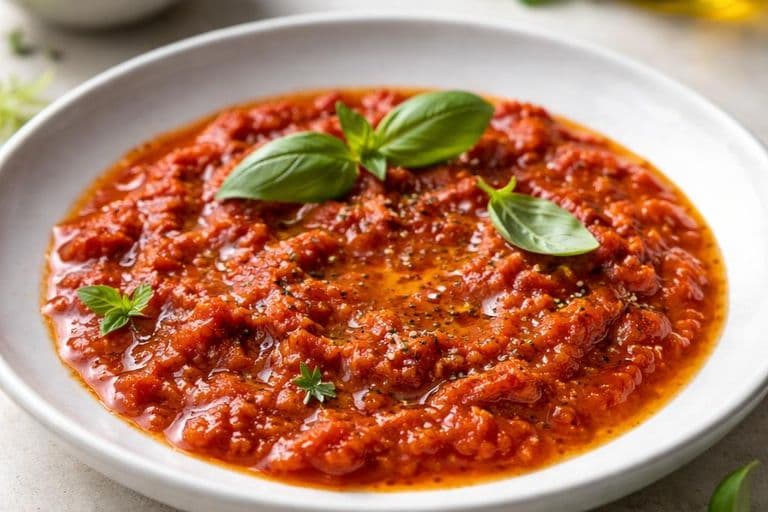
Nut‑free sunflower pesto linguine
A fresh, nut‑free pesto made with toasted sunflower seeds, tossed through linguine for a quick, bright midweek supper.
Pesto without nuts? Absolutely — toasted sunflower seeds step in with no compromise on texture or flavour. This bright green sauce is quicker than you think and brilliant for midweek suppers or lunchboxes.
It’s fresh, zesty and keeps well in the fridge for a couple of days (use as a spread, dip or stirred through hot pasta). The recipe makes enough for four generous portions or leftovers to jazz up tomorrow’s salad.
Ingredients
- 400 g linguine
- 80 g fresh basil leaves — loosely packed
- 80 g sunflower seeds
- 100 g vegetarian hard cheese, grated
- 2 garlic cloves — peeled
- 150 ml extra-virgin olive oil
- 1 lemon — zest and juice
- sea salt — to taste
- black pepper — freshly ground, to taste
Equipment
- food processor or high-speed blender
- grater
Instructions
Toast the sunflower seeds in a dry frying pan over medium heat, shaking the pan so they colour evenly. Watch closely and remove once they are golden and fragrant.
Bring a large saucepan of water to the boil, add a generous pinch of sea salt, then add the linguine. Cook until just al dente according to the pack (about 9 minutes as a guide).
While the pasta cooks, make the pesto. In a food processor or high‑speed blender add the fresh basil leaves, toasted sunflower seeds, garlic cloves, about three quarters of the grated vegetarian hard cheese, the zest and the juice of the lemon. Pulse a few times, then pour in the extra‑virgin olive oil in a slow steady stream while blending to form a glossy sauce. Season with sea salt and black pepper, and taste.
Just before draining, ladle out and reserve about 150 ml of the pasta cooking water. Drain the linguine in a colander — do not rinse.
Return the hot linguine to the empty saucepan or a large bowl. Add the pesto and toss briskly, adding 2–4 tablespoons of the reserved pasta water as needed to loosen and create a silky coating. Taste and adjust seasoning. Serve scattered with the remaining grated vegetarian hard cheese and a little lemon zest.
Tips
- Toast the sunflower seeds dry and keep them moving in the pan — burnt seeds taste acrid and will spoil the pesto.
- If your food processor struggles, pulse in short bursts and scrape down the sides; add olive oil slowly to encourage emulsification.
- Make the pesto ahead and keep it airtight with a thin film of olive oil on top to reduce browning; it will keep for 48 hours in the fridge.
- Reserve pasta water in small amounts and add gradually — you can always add more but can’t take it away.
- Use the leftover pesto as a sandwich spread, stirred through roasted veg, or thinned with a little more lemon juice for a salad dressing.
Substitutions
sunflower seeds → pumpkin seeds, same quantity (80 g)
Stays closevegetarian hard cheese, grated → grated pecorino or mature cheddar, same quantity (100 g)
Noticeably differentlinguine → spaghetti or fusilli, same quantity (400 g)
Stays close
Nutrition
Per serving · estimated
- 895
- Calories
- 27 g
- Protein
- 74 g
- Carbs
- 55 g
- Fat
- 5 g
- Fibre
- 6 g
- Sugar
- 750 mg
- Sodium
FAQ
Can I make this pesto in a blender instead of a food processor?
Yes — a high‑speed blender works fine. Work in short pulses, and pour the oil in slowly to avoid overheating the motor and to help the sauce emulsify.
How long will the pesto keep?
Stored in an airtight jar with a small drizzle of olive oil on the surface it will keep in the fridge for up to 48 hours. Freeze portions in an ice‑cube tray for up to 3 months.
Can I omit the cheese to make it dairy‑free?
Yes — omit the cheese and add an extra 20 g sunflower seeds and a pinch more salt for umami. The texture will be slightly looser.
How much pasta water should I add?
Start with 2 tablespoons (30 ml) and add up to 150 ml reserved water total if needed — the aim is a silky coating, not a soup.
Community Photos
No photos yet
Be the first to share your creation!