Fettuccine Alfredo (Creamy Restaurant-Style)
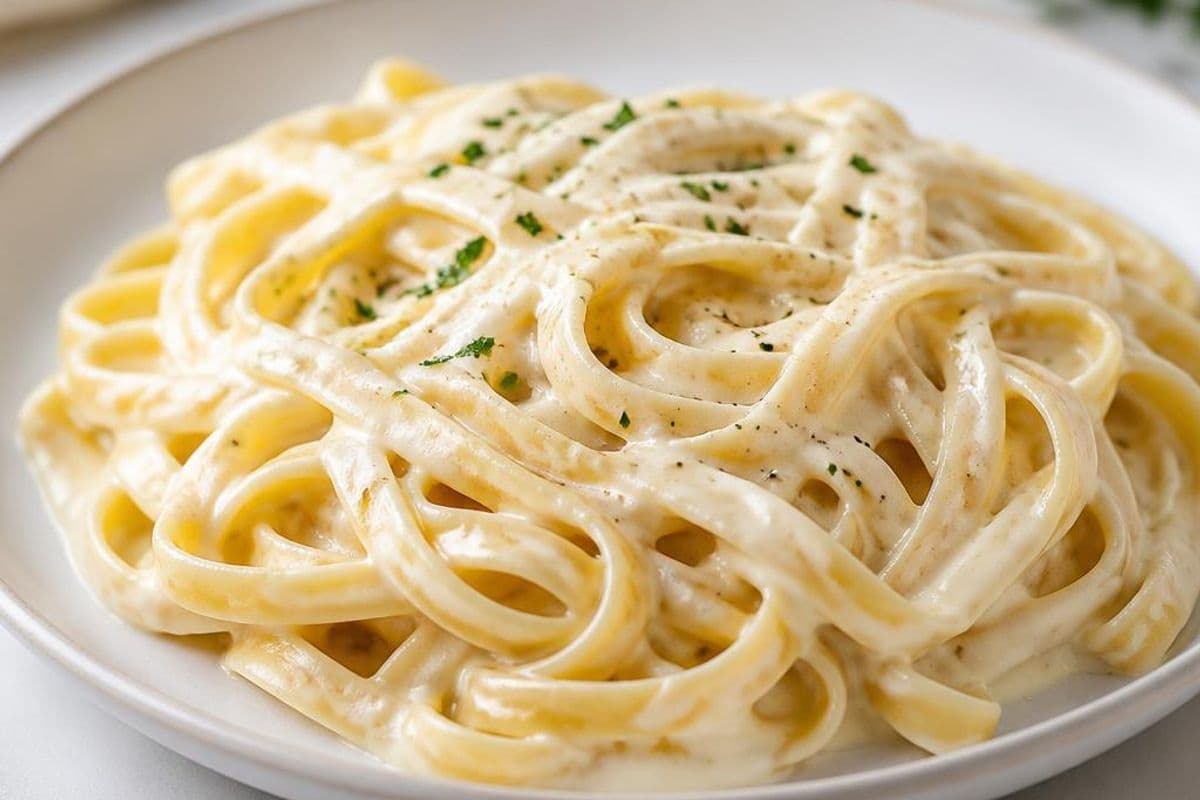
A luscious, velvety fettuccine in a rich butter-Parmesan cream sauce — quick enough for weeknights, indulgent enough for guests. Smooth, glossy sauce that clings to each ribbon of pasta.
This is the indulgent, silky Fettuccine Alfredo you remember from restaurant nights — decadent, simple and impossibly comforting. It’s essentially butter, cream and Parmesan behaving very well together to coat every ribbon of pasta.
Make it when you want dinner that feels luxurious without fuss. The trick is gentle heat, patience with the cheese, and a splash of starchy pasta water to marry the sauce into a glossy emulsion. Follow the few critical steps and you’ll have a bowl of pasta that looks — and tastes — like a treat.
Ingredients
- 400 g dried fettuccine
- 115 g unsalted butter — about 8 tbsp
- 300 ml double cream (heavy cream)
- 140 g Parmigiano-Reggiano, finely grated — plus extra for serving
- 15 ml sea salt (for the pasta water) — or to taste — add to boiling water
- 5 ml freshly ground black pepper — plus extra for serving
- 0 ml freshly grated nutmeg — a small pinch; optional but traditional
- reserved pasta water — about 150–250 ml reserved before draining, used as needed to loosen sauce
- 1 garlic clove — optional — lightly crushed and removed if you prefer no garlic
Equipment
- large stockpot (for pasta)
- large sauté pan (30cm/12in)
- colander
- microplane or fine grater
- tongs
Instructions
Fill a large pasta pot with at least 4 litres of water and bring to a rolling boil. Add 1 tablespoon sea salt (this seasons the pasta internally).
When the water is boiling, add the fettuccine and stir so the strands don’t stick. Cook to al dente — start checking at 8 minutes and aim for 9 minutes (or follow package instructions).
Before you drain the pasta, ladle and reserve 200 ml of the hot pasta water into a jug. Then drain the pasta in a colander without rinsing.
While the pasta cooks (or immediately after), place a large sauté pan over medium-low heat. Add the butter and, if using, the crushed garlic clove. Gently melt the butter until it’s just foaming — do not let it brown.
If you used garlic, remove it now. Pour the double cream into the pan with the melted butter and warm gently until it just begins to steam and barely simmers at the edges — about 2–3 minutes. Do NOT boil vigorously.
Turn the heat down to very low and remove the pan from direct heat. Add about two-thirds (roughly 90g) of the grated Parmigiano-Reggiano, a good ½ tsp of freshly ground black pepper, and the pinch of nutmeg. Stir steadily to incorporate — the residual heat will melt the cheese into a silky sauce.
Add the drained fettuccine straight into the pan with the sauce. Toss with tongs to combine — the sauce will be quite thick at first.
Return the pan to a very low heat and, a ladle at a time, add reserved pasta water (start with 50 ml). Toss and add more water as needed until the sauce is silky and just coats the pasta — you’ll likely use 100–200 ml total. Add the remaining grated Parmesan if the sauce needs thickening and toss again.
Taste and adjust seasoning with a little more black pepper and (only if needed) salt. Serve immediately with extra grated Parmigiano-Reggiano and a grind of black pepper.
Tips
- Always reserve pasta water. The starchy water is glue for the sauce and is essential for that silky finish.
- Grate your own Parmesan from a wedge. Pre-grated cheese contains anti-caking agents and won’t melt smoothly, making the sauce grainy.
- Never boil the cream aggressively and remove the pan from the heat before adding the cheese — curdling is the most common failure.
- If making ahead, undercook the pasta by 1–2 minutes, toss in a little butter and refrigerate. Reheat gently with a splash of cream or reserved pasta water.
- Use fresh Parmigiano-Reggiano (aged 18–24 months) for the best flavour and melting behaviour; Pecorino will be saltier and sharper.
Substitutions
double cream → single cream + 50 ml whole milk (use slightly less milk if sauce seems thin)
Noticeably differentParmigiano-Reggiano → Pecorino Romano (use slightly less and taste as it’s saltier)
Stays closefettuccine (wheat) → gluten-free fettuccine (rice/corn blend)
Noticeably differentunsalted butter → olive oil (extra-virgin)
Noticeably different
Nutrition
Per serving · estimated
- 990
- Calories
- 27 g
- Protein
- 80 g
- Carbs
- 64 g
- Fat
- 3 g
- Fibre
- 6 g
- Sugar
- 650 mg
- Sodium
FAQ
Can I make Alfredo sauce in advance?
You can make the sauce ahead but it will thicken and lose gloss. Keep it slightly loose with cream or reserved pasta water and reheat gently while tossing with freshly cooked pasta.
Why did my sauce turn grainy or split?
Most likely the cheese was added to cream that was too hot or boiling. Remove the pan from heat before adding cheese and stir gently to melt — that avoids clumping or fat separation.
Can I skip the cream and make ‘authentic’ Alfredo?
Traditional Roman Alfredo uses butter and Parmesan only. It’s richer in butter and requires very hot pasta to emulsify the cheese; the result is delicious but a different texture and flavour from the cream version.
How do I stop the pasta sticking while tossing with sauce?
Toss energetically with tongs and add a splash of reserved pasta water to loosen and create a glossy emulsion that prevents clumping.
Community Photos
No photos yet
Be the first to share your creation!