Classic Spaghetti Carbonara (Roman-style)
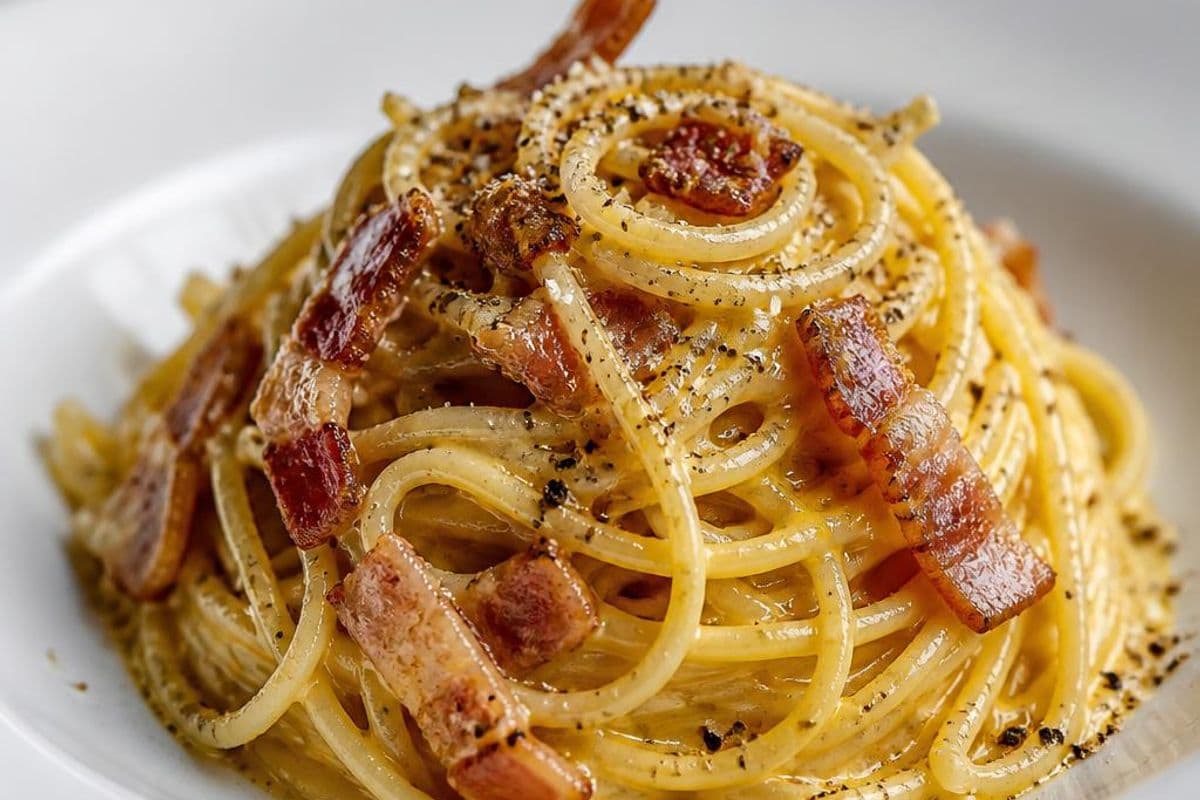
Silky egg-and-cheese sauce clings to al dente spaghetti, studded with crisp guanciale and a heavy-handed grind of black pepper. No cream, no nonsense — just properly timed technique.
This is proper Roman carbonara — no cream, no faff. A glossy emulsion of eggs, Pecorino and starchy pasta water coats each strand while crisp guanciale gives salty, porky pops.
Make it for midweek supper or for guests when you want something impressive but quick. The trick isn’t fancy ingredients, it’s timing: keep the pan cool when you add the eggs and you’ll have a silkier sauce than your average restaurant.
If you’ve only ever had 'creamy' carbonara from a packet, prepare to be converted. This is simple, bold and wickedly comforting. Don’t overthink it — just follow the steps and enjoy the theatre of the toss.
Ingredients
- 400 g spaghetti
- 150 g guanciale (or pancetta) — cut into 1cm-thick lardons
- 3 large eggs
- 1 extra egg yolk — adds silkiness; optional but recommended
- 100 g Pecorino Romano, finely grated
- 15 ml extra-virgin olive oil — only if using very lean pancetta; optional
- freshly cracked black pepper — generous — about 1 tsp cracked, plus extra to finish
- 15 g sea salt (for pasta water) — about 1 tbsp, adjust to taste
- reserved pasta water — about 150–250 ml reserved from cooking
Equipment
- large saucepan (for pasta)
- large frying pan or skillet
- colander
- tongs
- microplane or fine grater
- mixing bowl
- measuring jug (for reserved pasta water)
Instructions
Put a large saucepan of water (about 4–5 litres) on a high heat and bring to a rolling boil. Add the sea salt when boiling.
While the water heats, cut the guanciale into 1cm lardons. Measure and grate the Pecorino finely. Crack the eggs into a bowl and add the extra yolk.
Whisk the eggs and extra yolk with about two-thirds (≈65g) of the grated Pecorino and a generous crack of black pepper until smooth and slightly frothy. Do NOT add salt—the cheese and guanciale will be salty.
In a large frying pan, add the guanciale (no additional fat if authentic; add 1 tbsp olive oil only if using lean pancetta). Render over medium-low heat until the fat is translucent and the lardons are crisp — about 8 minutes.
When the water is boiling, add the spaghetti and cook to just shy of al dente — about 1 minute less than the packet time. Aim for the pasta to finish cooking in the sauce.
Before draining, scoop out and reserve about 200–250 ml (¾–1 cup) of the starchy pasta water. Then drain the spaghetti quickly — do not rinse.
Add the hot drained spaghetti directly into the pan with the guanciale and its fat. Toss over the heat for 20–30 seconds so the pasta picks up the fat.
Crucial step: turn the heat off (or remove the pan from the hot burner). Pour the egg-and-cheese mixture over the pasta and toss/vigorously stir while adding splashes of reserved pasta water little by little until you have a silky, emulsified sauce that coats the strands. Use 2–4 tbsp at a time and stop when the sauce is glossy and loose enough to coat the pasta.
Taste and adjust. If the sauce seems too thick, add a tablespoon of reserved pasta water and toss. Finish with the remaining grated Pecorino and a generous crack of black pepper. Serve immediately.
Tips
- Always reserve starchy pasta water before you drain — it’s the secret emulsifier that makes the sauce glossy.
- Render guanciale slowly over medium-low so the fat melts out without burning the meat; burnt bits equal a bitter sauce.
- Turn the pan off before adding the egg mixture. If it looks like it might scramble, keep tossing off heat and add more pasta water.
- Grate the Pecorino finely and measure before starting; large flakes can clump and won’t integrate as smoothly.
- Make the guanciale a few hours ahead and refrigerate on a plate; you can quickly reheat it in the pan so the fat loosens without overcooking the meat.
Substitutions
guanciale → pancetta, same quantity (150g)
Stays closeguanciale → streaky smoked bacon, same quantity (150g)
Noticeably differentPecorino Romano → Parmigiano-Reggiano, same quantity (100g)
Stays closespaghetti → rigatoni or bucatini, same weight (400g)
Noticeably different
Nutrition
Per serving · estimated
- 758
- Calories
- 30 g
- Protein
- 75 g
- Carbs
- 42 g
- Fat
- 3 g
- Fibre
- 3 g
- Sugar
- 1200 mg
- Sodium
FAQ
Can I use pancetta or bacon instead of guanciale?
Yes — pancetta is the closest substitute (stays-close). Smoked streaky bacon will add a smoky note and renders faster (noticeably-different).
How do I stop the eggs from scrambling?
Turn the pan off and remove it from the heat before adding the egg mixture. Work quickly, toss constantly and thin with reserved pasta water a little at a time to create an emulsion.
Can I make carbonara ahead of time?
You can render the guanciale ahead and store it refrigerated. Finish the dish at the last minute—carbonara is best served immediately as the sauce will tighten on standing.
Is it safe to eat eggs in carbonara?
Yes — the eggs are warmed by the hot pasta and made safe by the short, vigorous tossing off heat. If you’re particularly concerned, use pasteurised eggs.
Can I use cream to make it saucier?
Traditional carbonara doesn’t use cream. A proper emulsion of eggs, cheese and pasta water gives a richer, silkier result than cream will, so avoid it if you want an authentic texture.
Community Photos
No photos yet
Be the first to share your creation!