Classic Sicilian Cannoli (Homemade Shells + Ricotta Filling)
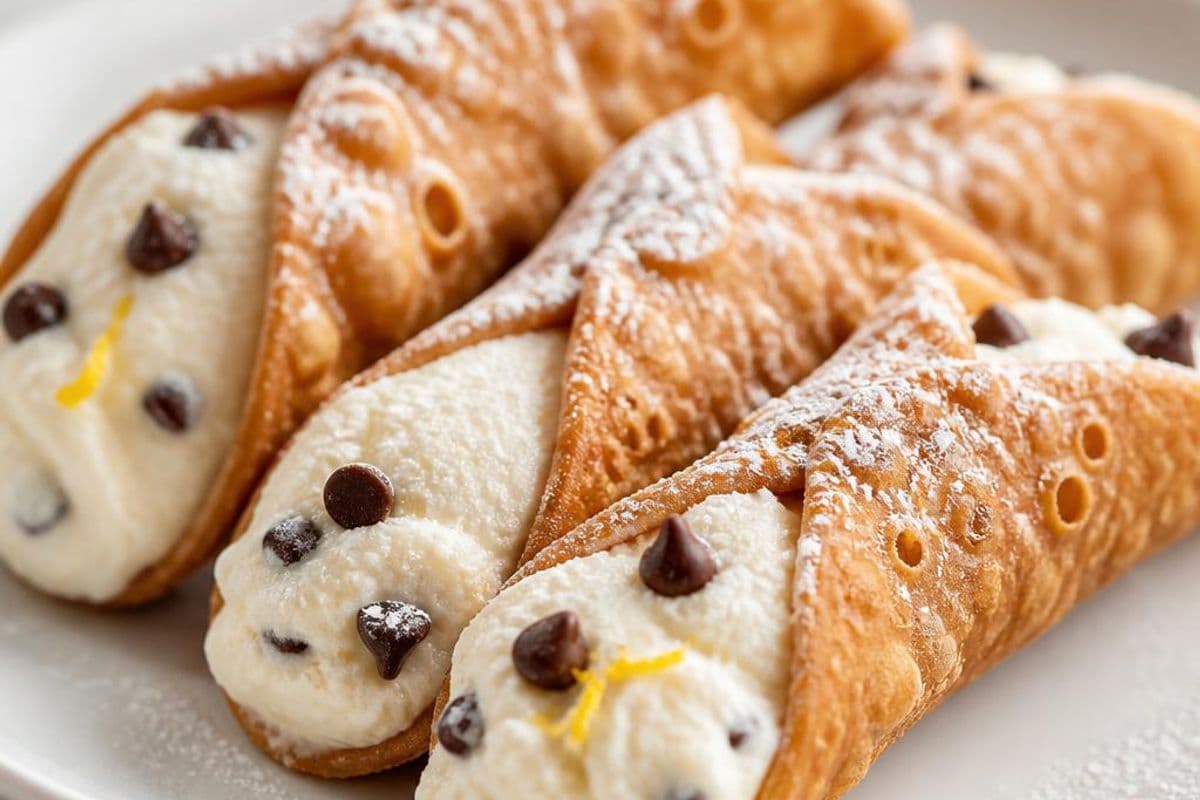
Crisp, golden fried pastry shells filled with a luxuriously smooth, sweet ricotta cream studded with chocolate chips and citrus zest. Perfect for dinner-party show-offs or weekend baking with a splash of Marsala.
Cannoli are the cinematic dessert of Sicily — crisp fried pastry tubes with a pillowy, sweet ricotta centre. Making them at home is slightly theatrical (there's frying and a little rolling) but the payoff is entirely worth it: impossibly crunchy shells and a luscious, chilled filling that never tastes store-bought.
Make them for a dinner party to impress without the faff. The tricky bits are easy once you know them — drain the ricotta properly, roll the pastry paper-thin and fill at the last minute. Follow those three commandments and you’ll have authentic, crowd-pleasing cannoli every time.
Ingredients
- 250 g plain (all-purpose) flour
- 30 g caster sugar
- 0 g salt — pinch
- 25 g unsalted butter (or lard for more authentic flavour) — finely diced, chilled
- 1 large egg
- 1 egg yolk
- 60 ml Marsala wine (or dry white wine)
- 15 ml white wine vinegar — helps crisp the shells
- 1 l vegetable oil (for deep-frying) — or enough for 6–8 cm depth in your pan
- 500 g whole-milk ricotta — well drained (see steps)
- 120 g icing (confectioners') sugar
- 100 g mascarpone (optional, stabilises the filling) — optional but recommended
- 5 ml vanilla extract
- 5 ml orange zest (finely grated)
- 0 ml ground cinnamon — optional
- 60 g mini chocolate chips (or chopped bittersweet chocolate)
- 1 egg white (for sealing shells) — lightly beaten
- icing (confectioners') sugar — for dusting, to taste
- chopped pistachios or extra chips — optional, for decorating ends
Equipment
- metal cannoli tubes (or cleaned aluminium tubes)
- deep heavy-based saucepan or deep fryer
- candy/deep-fry thermometer
- muslin or fine sieve (for draining ricotta)
- rolling pin
- piping bag (or zip-top bag)
Instructions
Make the dough: sift the flour into a large bowl, stir in the caster sugar and a pinch of salt. Add the chilled diced butter (or lard) and rub in with fingertips until the mix looks like coarse breadcrumbs.
Whisk the whole egg and extra yolk with the Marsala and white wine vinegar. Add the liquid to the dry mix and bring together quickly with a knife or fork until a shaggy dough forms. Tip onto a lightly floured surface and knead briefly — just until smooth and cohesive (about 30 seconds).
Wrap the dough tightly in cling film and chill in the fridge for 1 hour to relax the gluten and firm up the fat — this gives a crisp shell.
Meanwhile drain the ricotta: line a sieve with a double layer of muslin or coffee filter over a bowl and spoon in the ricotta. Refrigerate and drain for at least 45 minutes, up to 3 hours. Do not skip — this prevents a watery filling.
Divide the chilled dough into 4 pieces. Roll one piece at a time on a floured surface to a very thin sheet — aim for about 1.5 mm (paper-thin). Keep unused dough covered so it doesn't dry out.
Cut rounds about 9 cm (3½–4 in) across using a cutter or a plate. Brush the edge lightly with a little beaten egg white. Wrap each round tightly around a greased metal cannoli tube, overlapping the edges and pressing to seal.
Heat the oil in a deep heavy-based pan or fryer to 175°C (350°F). Use a thermometer — accuracy here is crucial.
Fry the wrapped shells in batches (do not overcrowd) until golden and crisp, about 90–120 seconds, turning once so they colour evenly. Remove with tongs and set upright on a wire rack to cool slightly, then slide the metal tube out while the shell is still warm (it will contract as it cools).
Repeat rolling/frying with remaining dough. If shells are made ahead, store completely cooled in a single layer in an airtight tin for up to 24 hours to keep them crisp.
Prepare the filling: spoon drained ricotta into a bowl and push through a fine sieve (or whisk vigorously) to remove lumps and make it silky.
Add the icing sugar, mascarpone (if using), vanilla, orange zest and cinnamon. Fold in until smooth and homogenous. Stir in the mini chocolate chips, reserving a few for decoration. Taste and adjust sweetness.
Chill the filling for at least 30 minutes to firm up (makes piping easier and stops shells going soggy).
Transfer the chilled filling to a piping bag fitted with a wide plain nozzle (or use a zip-top bag with a corner snipped). Pipe the filling firmly into each shell from both ends so the centre is filled — don't overfill, or the shells may crack.
Dip the ends of each filled cannolo into reserved chocolate chips or chopped pistachios, then dust generously with icing sugar and serve immediately.
Storage note: filled cannoli lose crispness. Shells can be stored airtight for 24 hours; filling keeps in airtight container in the fridge for 2–3 days. Refill shells just before serving.
Tips
- Drain the ricotta well (use muslin or coffee filters) — this single step prevents a watery, runny filling.
- Use a thermometer for the oil: 175°C (350°F) is the sweet spot. Too hot = browned but raw inside; too cool = greasy shells.
- Roll the pastry very thin (≈1.5 mm). Thick pastry makes heavy, doughy shells instead of light, crisp ones.
- If making ahead: store baked shells airtight up to 24 hours; keep filling chilled and pipe just before serving. Alternatively, brush inside of shells with melted chocolate and set — this creates a moisture barrier but will change the flavour slightly.
- Sieve the ricotta or push it through a fine mesh — it transforms the texture from grainy to silky.
Substitutions
Marsala wine → dry white wine or 60 ml water + 1 tsp sugar
Stays closeUnsalted butter (or lard) → lard for a more traditional, flakier shell
Stays closeWhole-milk ricotta → part-skim ricotta (drain thoroughly) or 300 g ricotta + 150 g mascarpone for creamier filling
Stays closeMini chocolate chips → dried fruit (candied orange peel) or chopped pistachios
Noticeably different
Nutrition
Per serving · estimated
- 320
- Calories
- 7 g
- Protein
- 30 g
- Carbs
- 18 g
- Fat
- 2 g
- Fibre
- 14 g
- Sugar
- 150 mg
- Sodium
FAQ
Can I bake the shells instead of frying?
Yes — brush rounds with melted butter, wrap on tubes and bake at 200°C/390°F until golden (10–12 minutes). Texture is a little different (less deep-fried flavour) but still delicious.
How long can I keep filled cannoli?
Filled cannoli are best eaten within 2 hours; after that the shells start to soften. Keep shells and filling separate if you need a longer window.
My filling is grainy — how do I fix it?
Sieve the ricotta or process it in a food processor with icing sugar until smooth. Adding a little mascarpone will also smooth and stabilise it.
Can I use a different oil for frying?
Use a neutral high-smoke-point oil like sunflower, vegetable or light olive oil. Extra-virgin olive oil is too flavourful for frying at these temperatures.
Community Photos
No photos yet
Be the first to share your creation!